

Table of Contents
- How to Find a Reliable Plumber: Start With Your Network
- Verify Licensing, Insurance, and Credentials
- Check Online Reviews and Customer Ratings
- Questions to Ask a Plumber Before Hiring
- How to Compare Plumbing Quotes and Create a Plumbing Estimate Checklist
- Red Flags: Signs of a Bad Plumber to Avoid
- Finding Emergency Plumbing Services and After-Hours Support
- Frequently Asked Questions
Last Updated: October 12, 2026
How to Find a Reliable Plumber: Start With Your Network
To find reliable plumber services, start with people you already trust. Your network, friends, family, neighbors, and colleagues, has direct experience with local plumbers and can point you toward professionals who actually deliver on their promises. This approach cuts through marketing claims and gets you honest feedback about responsiveness, quality, and fair pricing.
Ask for specific details when someone recommends a plumber. Don’t just accept “they were good”, ask what work they performed, whether the job stayed on budget, if the plumber showed up on time, and whether they’d hire them again. These concrete answers reveal whether a plumber is truly reliable or just competent at one specific task.
Your neighbors are particularly valuable sources. They’ve dealt with local plumbers, understand the service area’s response times, and can warn you about anyone with a bad reputation. Community Facebook groups or neighborhood apps often have active discussions about local service providers. These conversations tend to be brutally honest because people aren’t trying to sell anything, they’re just sharing experience.
At Indy Plumbing, we’ve built our reputation over 13 years by earning referrals from satisfied customers. Many of our clients come to us because someone they know had a positive experience. That’s the gold standard of trust in this industry.
Verify Licensing, Insurance, and Credentials
A licensed plumber has met training requirements and passed examinations specific to their province. Before hiring anyone, confirm their license is current and valid. You can verify this through your provincial regulatory body. A plumber who won’t provide their license number or registration details is a red flag.
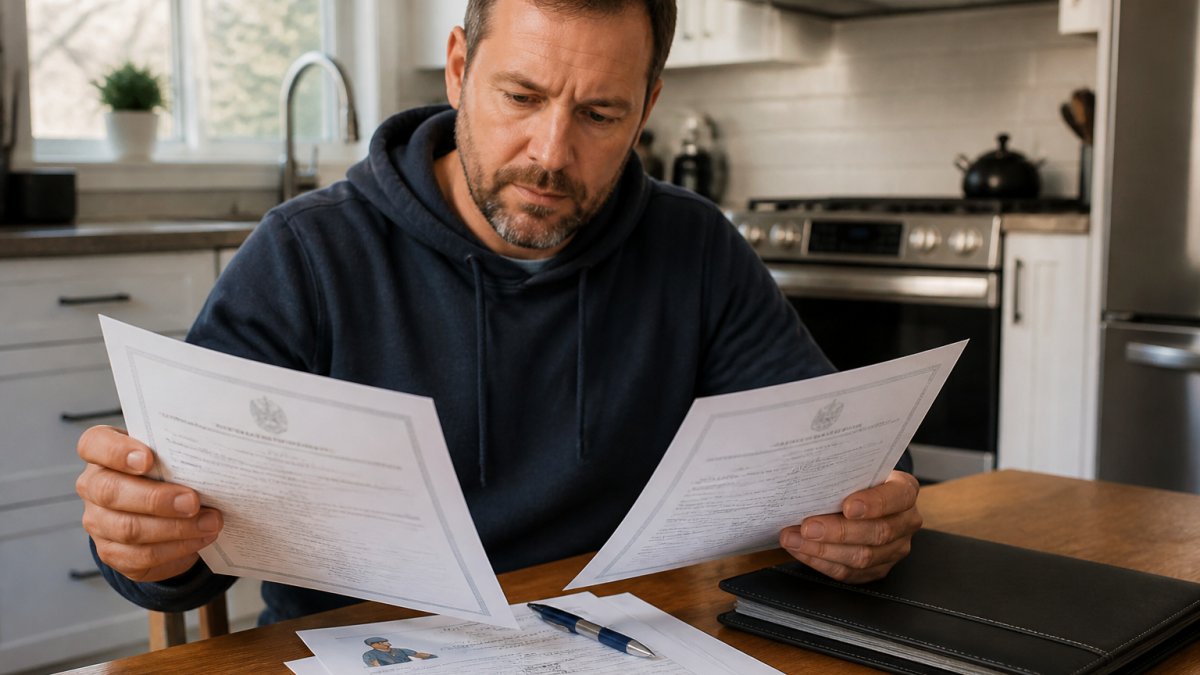
Insurance is equally critical. A plumber should carry liability insurance and workers’ compensation coverage. Liability insurance protects your home if something goes wrong during the job, a burst pipe, water damage, or injury. Workers’ compensation covers their team if someone is hurt on your property. Ask for proof of both before work begins.
Don’t assume a plumber is insured just because they claim to be. Request documentation and verify the coverage is active. Some plumbers operate without proper insurance to undercut pricing, but this exposes you to liability if something goes wrong. You could end up responsible for damage or injuries that their insurance should have covered.
Experience matters, but credentials matter more. A plumber with 20 years of experience who isn’t licensed is riskier than someone with 3 years who holds all proper credentials. Licensing ensures they’ve met minimum competency standards and can be held accountable through regulatory channels if something goes wrong.
Check Online Reviews and Customer Ratings
When you find reliable plumber options, online reviews reveal patterns that single conversations can’t. One negative review might be an outlier, but multiple reviews describing the same problem, missed appointments, surprise charges, poor communication, show a genuine pattern.
Check multiple platforms: Google Maps, Yelp, Homestars, and the plumber’s own website. Consistency across platforms matters. A plumber with glowing reviews on their website but poor ratings on independent platforms is worth questioning. Conversely, strong ratings across multiple independent sites suggests genuine customer satisfaction.
Pay attention to how plumbers respond to negative reviews. A professional acknowledges the issue, explains what happened, and offers to make it right. Defensive responses or silence suggest they don’t take customer concerns seriously. The way they handle criticism tells you how they’ll treat you if something goes wrong.
Look for reviews mentioning the specific services you need. If you need a water heater installed, reviews about drain cleaning don’t tell you much. Find reviews from customers who had similar work done. Their experience is more relevant to your situation.
Review dates matter too. A plumber might have been excellent five years ago but changed their practices since then. Recent reviews show current performance. If you see a gap in reviews, ask why, they might have stopped taking customers or had a reputation problem they’re trying to hide.
Questions to Ask a Plumber Before Hiring
Start by asking about their experience with your specific issue. A plumber experienced with heritage homes might struggle with modern systems, and vice versa. Ask how many jobs like yours they’ve completed and whether they’ve encountered complications in similar situations. Their answer reveals whether they’re a generalist or specialist for your needs.
Ask about their availability and response time. For non-emergency work, understand their typical timeline. For emergencies, ask directly: can they respond at 2 AM if your pipe bursts? Many plumbers claim 24/7 availability but don’t actually answer calls in the middle of the night.
Ask whether they provide written estimates and what’s included. A written estimate protects both of you by documenting the scope of work, materials, labor costs, and timeline. Ask if the estimate is binding or if additional charges might appear once they start.
Ask about their warranty or guarantee on the work. Do they stand behind their installations? If a water heater fails after six months, will they address it without charging again? What’s covered, parts only, labor, or both? How long does the warranty last? A plumber confident in their work offers a real guarantee.
Ask about payment terms and methods. Do they require a deposit? How much? When is the balance due, after completion or before? Do they accept credit cards, e-transfers, or only cash? Understanding payment upfront prevents disputes later.
How to Compare Plumbing Quotes and Create a Plumbing Estimate Checklist
Get at least three written estimates before deciding. Each should be detailed enough to compare apples to apples. A one-line estimate, “Fix plumbing: $500”, tells you nothing. You need specifics about materials, labor hours, and what’s actually included.
Use this checklist when reviewing estimates:
| Element | What to Check | Why It Matters |
|---|---|---|
| Scope of Work | Exact description of what will be done | Prevents “scope creep” where additional work appears mid-project |
| Materials | Specific brands, sizes, and quantities | Affects quality and cost; cheap materials fail sooner |
| Labor Cost | Hourly rate or flat fee; estimated hours | Reveals whether pricing is competitive |
| Permits & Inspections | Who obtains permits, who pays | Some work requires municipal permits; responsibility must be clear |
| Timeline | Start date, duration, completion date | Helps you plan around the disruption |
| Warranty | Coverage period, what’s included | Shows the plumber’s confidence in their work |
| Payment Terms | Deposit amount, when balance is due | Protects you from overpaying upfront |
| Cleanup | Whether debris removal is included | Affects your post-job effort |
Compare the estimates side by side. The lowest price isn’t always the best value if it excludes materials, warranty, or cleanup. A slightly higher estimate that includes everything might save you money and hassle later.
Ask why estimates differ significantly. If one estimate is half the price of others, ask what’s being cut. Are they using cheaper materials? Offering less warranty? Skipping steps? A plumber who’s dramatically cheaper might be cutting corners.
Watch for vague language in estimates. Phrases like “labor as needed” or “materials to be determined” leave room for surprise charges. Insist on specifics. If the plumber can’t estimate accurately before starting, they either lack experience with your job type or they’re setting you up for change orders.
Red Flags: Signs of a Bad Plumber to Avoid
A plumber who won’t provide a written estimate before starting work is avoiding accountability. They might plan to charge you whatever they want once they’ve started and you’re dependent on them to finish.
Pressure to pay upfront in full is suspicious. Legitimate plumbers ask for a reasonable deposit, typically 25-50% for major jobs, with the balance due upon completion. Demanding full payment before starting is a common scam tactic.
Reluctance to provide references or proof of licensing is a major warning sign. A legitimate plumber will give you contact information for recent customers and show you current credentials without hesitation.
Quoting a price over the phone without seeing the job is unreliable. Plumbing problems vary significantly based on what they find once they start.
Dismissing your concerns or being defensive about questions suggests they won’t respect your property or preferences. You’re hiring them to work in your home. They should be professional, patient, and responsive to your questions.
Offering to do work “under the table” to avoid taxes is illegal and exposes you to liability. It also means no recourse if something goes wrong, you have no contract, no warranty, no insurance protection.
Pressure to authorize additional work without your explicit approval is a scam. A good plumber finds issues, explains them clearly, gets your approval before proceeding, and documents everything.
Finding Emergency Plumbing Services and After-Hours Support
Not all plumbers offer true emergency service. Some answer phones 24/7 but dispatch teams only during business hours. Before you need them, clarify what emergency service actually means. Can they respond at midnight? What’s the additional charge for after-hours calls?
Ask whether they guarantee response time for emergencies. Some promise to arrive within a certain window, say, 30 minutes or one hour. Others offer emergency service but might take several hours depending on demand.
Check whether they handle emergency work themselves or subcontract it. If they farm out after-hours calls to another company, you might not get the quality or continuity you expect.
Build a relationship with a plumber before you need emergency service. If you’ve used them for routine maintenance or minor repairs, they’ll prioritize your emergency call. A plumber you’ve never contacted before might deprioritize you compared to established customers.
Keep emergency contact information easily accessible. Save the plumber’s after-hours number in your phone, and leave it posted near your main water shut-off valve.
Understand your options for temporary fixes while waiting for the plumber. Know where your water shut-off valve is and how to turn it off. This stops water damage until help arrives.
Finding a reliable plumber comes down to verification and communication. Check credentials, read reviews, get written estimates, and ask specific questions about their experience with your type of job.
Indy Plumbing brings 13 years of experience, transparent pricing, and 24/7 emergency support to every job. Our licensed and insured team handles everything from routine maintenance to emergency repairs, and we document every detail so you know exactly what to expect. Learn more about how to verify plumber credentials through your provincial regulatory body to ensure you’re hiring someone who meets professional standards.
Frequently Asked Questions
How do I know if a plumber is reliable?
A reliable plumber should be licensed, insured, and have verifiable customer reviews. Ask for references, confirm their experience with your specific plumbing issue, and check that they provide written estimates with transparent pricing. Reliable plumbers are responsive, professional in communication, and offer warranty or guarantee on their work. Request proof of credentials before hiring.
What should I check before hiring a plumber?
Before hiring, verify their license and insurance coverage, read customer reviews on independent platforms, ask about their experience with your specific problem, request a written estimate, and confirm their availability for your timeline. Ask about their service area and response times, especially if you need emergency support. Check references from previous customers and clarify payment terms upfront.
How can I compare plumbing quotes effectively?
Compare quotes using a checklist that includes labor costs, material costs, service fees, timeline, warranty terms, and scope of work. Ensure all quotes itemize the same services so you’re comparing apples to apples. Don’t automatically choose the lowest price; evaluate what each plumber is offering and their experience level. Get at least two or three quotes before deciding.
What are the warning signs of an unreliable plumber?
Watch for plumbers who won’t provide written estimates, quote significantly lower prices without explanation, pressure you into immediate decisions, lack verifiable licensing or insurance, have numerous negative reviews, won’t answer your questions clearly, or demand full payment upfront. Avoid those who seem unwilling to explain their process or who make promises that sound too good to be true.
How do I verify a plumber’s license and insurance?
Ask the plumber for their license number and proof of liability insurance before work begins. You can verify licensing through the appropriate regulatory body or municipal records. Request a certificate of insurance directly from the plumber and confirm it covers the work being performed. Never hire someone who refuses to provide this documentation or whose credentials don’t check out.
Should I get a written estimate from a plumber?
Yes, always insist on a written estimate. It should detail the scope of work, materials to be used, labor costs, service fees, timeline, and warranty information. A written estimate protects both you and the plumber by setting clear expectations. It also gives you a document to compare against other quotes and to reference if disputes arise about pricing or work scope.
Comments are closed